
Upcycling Drying of Liquid Organic Waste That Cannot Be Dried by Conventional Systems / KENKI DRYER / Organic waste dryer, Upcycling dryer
Upcycling Drying for Liquid Organic Waste That Other Dryers Cannot Handle
Why Liquid Organic Waste Is Difficult to Dry
Many companies struggle to dry liquid organic waste.
Liquid and slurry-type waste often contains high moisture and strong stickiness, causing clogging, buildup, and frequent shutdowns in conventional dryers. As a result, drying becomes unstable, costly, or simply impossible.
A Dryer Designed Specifically for Liquid and Sticky Waste
KENKI DRYER is a world-patented drying solution that efficiently dries sticky, high-moisture materials without clogging. Using low-temperature steam heating, it preserves the original properties of materials while ensuring smooth and uniform drying. It operates 24/7 without manual intervention, making it ideal for various industries, including food, chemicals, pharmaceuticals, and waste recycling.
Continuous Drying Without Clogging or Shutdowns
Liquid organic waste is often rejected because it solidifies or adheres during drying.
KENKI DRYER eliminates this issue and enables continuous operation, even for high-moisture and slurry-type materials that cannot be handled by conventional dryers.
Low-Temperature Indirect Steam Drying That Preserves Material Quality
The dryer uses low-temperature indirect steam heating.
Unlike direct-fired or high-temperature dryers, this method minimizes material degradation and preserves the original properties of organic waste. This makes KENKI DRYER ideal not only for drying, but also for upcycling and resource recovery.
Preventing Odor, Spoilage, and Microbial Growth Through Drying
Drying liquid organic waste also prevents microbial growth.
High-moisture waste promotes bacteria and mold, leading to odor, spoilage, and hygiene risks. Stable drying effectively suppresses these problems and improves on-site environmental conditions.
Turning Dried Waste into Valuable Resources
After drying, organic waste can be reused depending on its composition.
Typical applications include fertilizer, compost, soil conditioners, animal feed ingredients, fuel material, and feedstock for further processing. What was once waste becomes a valuable resource.
Decarbonized Drying with No CO₂ Emissions During Operation
KENKI DRYER does not emit CO₂ during the drying process.
It can utilize existing boiler steam or surplus steam, and its high thermal efficiency keeps energy consumption low. When combined with electric or hydrogen boilers, completely zero-emission drying is possible.
Low Maintenance and Stable Long-Term Operation
The dryer operates at extremely low rotational speed (below 5 RPM).
This reduces wear on components, minimizes maintenance requirements, and ensures long-term stable operation. As a continuous dryer, it also supports 24-hour unattended operation.
Comparison Table
| Item | KENKI DRYER | Conventional Dryers |
|---|---|---|
| Liquid / Slurry Drying | ◎ Stable | × Difficult |
| Sticky & Adhesive Waste | ◎ No clogging | × Frequent clogging |
| Drying Method | Low-temperature indirect steam | Direct-fired / high-temperature |
| Material Degradation | Very low | High |
| CO₂ Emissions | None during drying | High |
| Operation Mode | Continuous | Often batch |
| Maintenance Cost | Low | High |
| Unattended Operation | Possible | Difficult |
Q&A Section
Q: Can liquid organic waste really be dried?
A: Yes. KENKI DRYER can continuously dry liquid, slurry, and high-moisture organic waste without clogging.
Q: Why do conventional dryers fail with liquid waste?
A: Sticky materials adhere to internal surfaces, causing buildup and discharge problems. KENKI DRYER prevents this by design.
Q: Is continuous operation possible for slurry materials?
A: Yes. KENKI DRYER is a continuous dryer and supports stable 24-hour operation.
Q: Does drying damage the material?
A: No. Low-temperature indirect steam drying minimizes material degradation and preserves value for reuse.
Q: Does the drying process reduce odor and spoilage?
A: Yes. Drying suppresses microbial growth, reducing odor, spoilage, and hygiene risks.
Q: Is the process environmentally friendly?
A: Yes. KENKI DRYER emits no CO₂ during drying and supports decarbonized waste processing.
Conclusion: From Liquid Waste to Sustainable Value
Liquid organic waste that was once impossible to dry can now be processed reliably and efficiently.
KENKI DRYER transforms difficult liquid and sticky waste into reusable resources while supporting decarbonization, cost reduction, and stable operation.
If your company is facing challenges in drying liquid organic waste, KENKI DRYER offers a proven and sustainable solution.

Videos / Upcycling Drying for Highly Sticky and Adhesive Liquid Organic Waste
A Solution for Upcycling and Drying Liquid Organic Waste That Cannot Be Dried
Liquid organic waste is one of the most difficult materials to handle in industrial drying.
High moisture content, slurry-like behavior, and strong stickiness cause serious problems in many drying systems. Materials adhere to internal surfaces, clog discharge paths, and eventually force the dryer to stop. As a result, many companies are left with no choice but to dispose of liquid waste at high cost, even though it still contains valuable resources.
This challenge is not caused by operation mistakes.
It is a structural limitation of conventional dryers. Most dryers are designed for solid or free-flowing materials. When liquid or highly adhesive organic waste is introduced, buildup and blockage are almost inevitable. Drying becomes unstable, maintenance increases, and continuous operation is no longer possible.
KENKI DRYER was developed specifically to solve this problem.
Even liquid, slurry, and highly adhesive organic waste can be dried smoothly and continuously. Its patented internal mechanism prevents material from sticking, accumulating, or clogging inside the dryer. Discharge remains stable, and operation does not stop, even with high-moisture materials that other dryers cannot handle.
The drying method itself is also fundamentally different.
KENKI DRYER uses low-temperature indirect steam heating instead of direct-fired or high-temperature drying. This minimizes material degradation and preserves the original properties of organic waste. Because the material is not overheated or burned, the dried product remains suitable for reuse, recycling, and upcycling.
The drying method itself is also fundamentally different.
KENKI DRYER uses low-temperature indirect steam heating instead of direct-fired or high-temperature drying. This minimizes material degradation and preserves the original properties of organic waste. Because the material is not overheated or burned, the dried product remains suitable for reuse, recycling, and upcycling.
Once dried, organic waste is no longer just waste.
Depending on its composition, it can be reused as fertilizer, compost, soil conditioner, animal feed ingredients, fuel material, or feedstock for further processing. Drying transforms a disposal problem into a resource opportunity.
Environmental performance is another critical factor.
KENKI DRYER emits no CO₂ during the drying process. It can utilize existing boiler steam or surplus steam, and its high thermal efficiency keeps energy consumption low. When combined with electric or hydrogen boilers, completely zero-emission drying is achievable, supporting decarbonization and ESG initiatives.
Operational reliability is equally important.
KENKI DRYER operates at an extremely low rotational speed of less than 5 RPM. This reduces wear on components, minimizes maintenance, and ensures long-term stable operation. As a continuous dryer, it supports 24-hour unattended operation, reducing labor requirements and operational stress.
KENKI DRYER is protected by 11 patents across 8 countries and has been proven in applications involving liquid organic waste, slurry materials, organic sludge, and highly adhesive residues. It is a solution created for materials that others say cannot be dried.
If your company is struggling with liquid organic waste that clogs, stops, or cannot be dried reliably, the problem is not your process — it is the dryer.
KENKI DRYER changes what is possible, turning difficult liquid waste into stable, reusable, and valuable material.
Dry what others cannot.Solve the problem at its root.

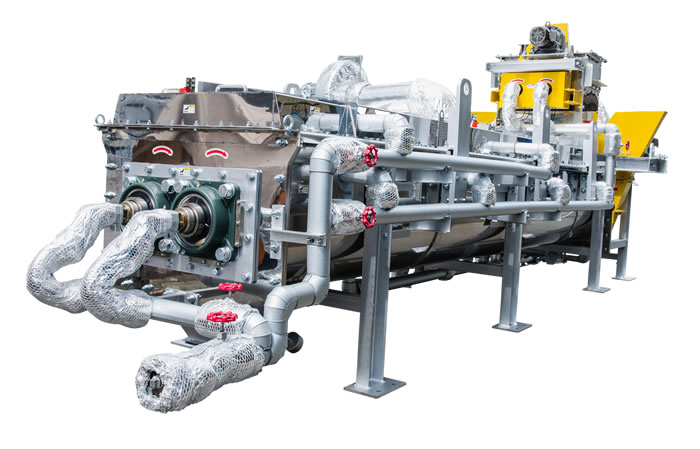
Test case / Clog-free continuous drying for sticky and adhesive liquid waste
Test Results / Upcycling drying of liquid organic waste that cannot be dried by conventional systems
- Material to be dry: Sticky and adhesive Liquid Organic Waste that others cannot dry
- Purpose of drying: Upcycling, Industrial waste cost and amount
- Moisture content: 48.7%W.B. before drying, 1.9%W.B. after drying
- Requirements for dryer: To prevent clogging inside the dryer caused by the stickiness and adhesiveness. Automated continuous operation with no operator attended.
- Test result: OK


Organic waste drying / Brochure
No matter how sticky, adhesive and viscous the material is, KENKI DRYER of International Patent can dry it without clogging inside of dryer and with stable operation that no operational trouble occurs because of its unique mechanism. For example, even materials stuck to the blades of one screw, blades of the other screw in the dryer’s body forcibly peels the materials off as they rotate. Since the blades rotate by peeling the material off each other, any sticky, adhesive and viscous material does not adhere to the blade, and the blades continue rotating, peeling, agitating and heating material without stopping while they carries material further. Also, since surface of blades are always renewed and kept clean, heat near the blades is not blocked and it is conducted directly into the materials.

You must be logged in to post a comment.