
Dry What Others Can’t.
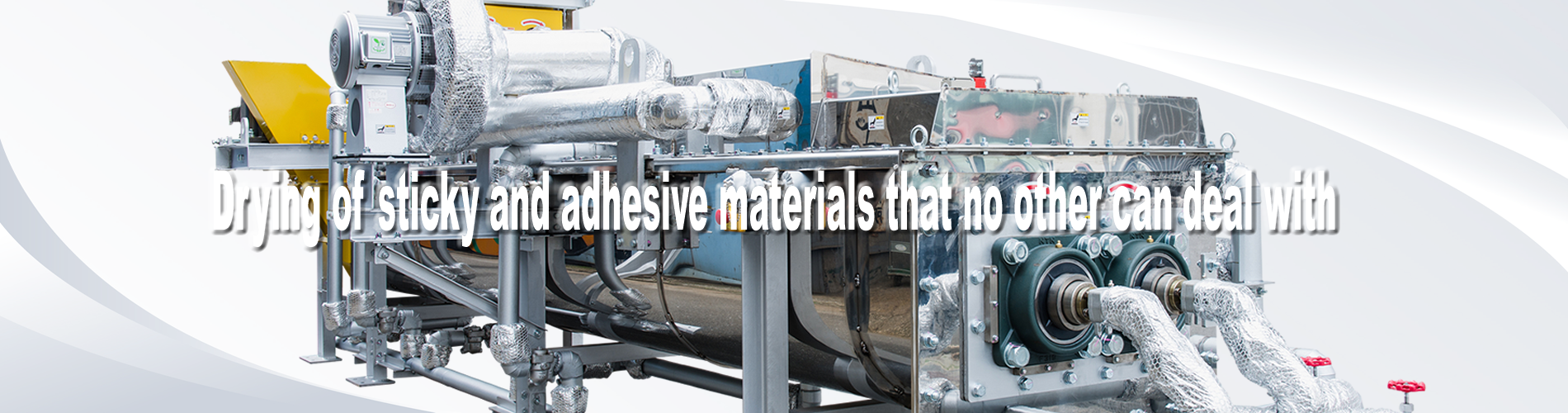
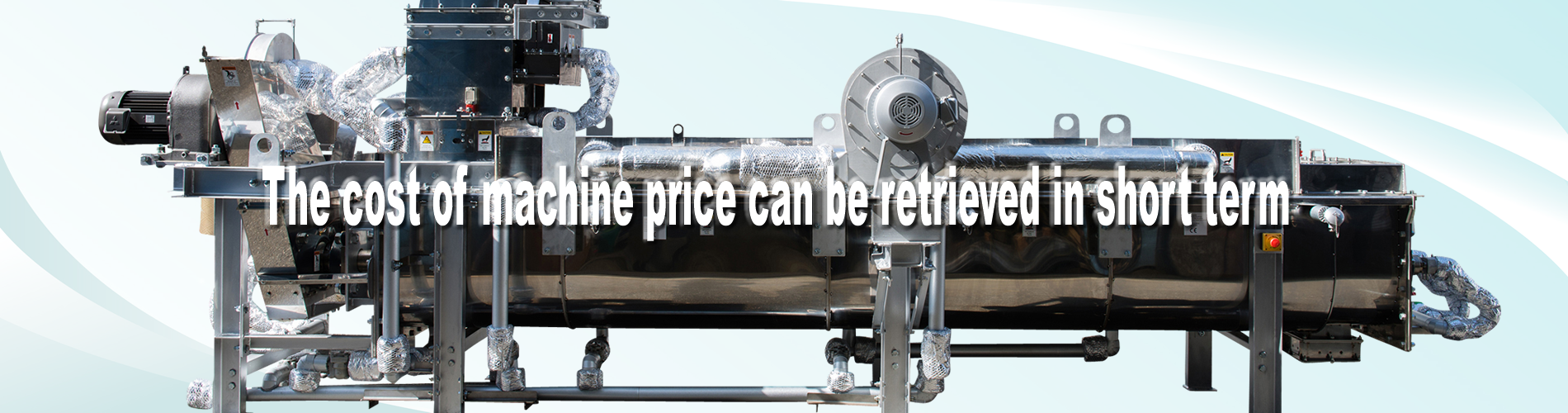
KENKI DRYER, designed and manufactured with internationally patented technologies (11 patents in 8 countries), can easily, safely, and surely dry materials that no other dryer can handle — including sticky, adhesive, viscous, and high-moisture materials, even in liquid form.
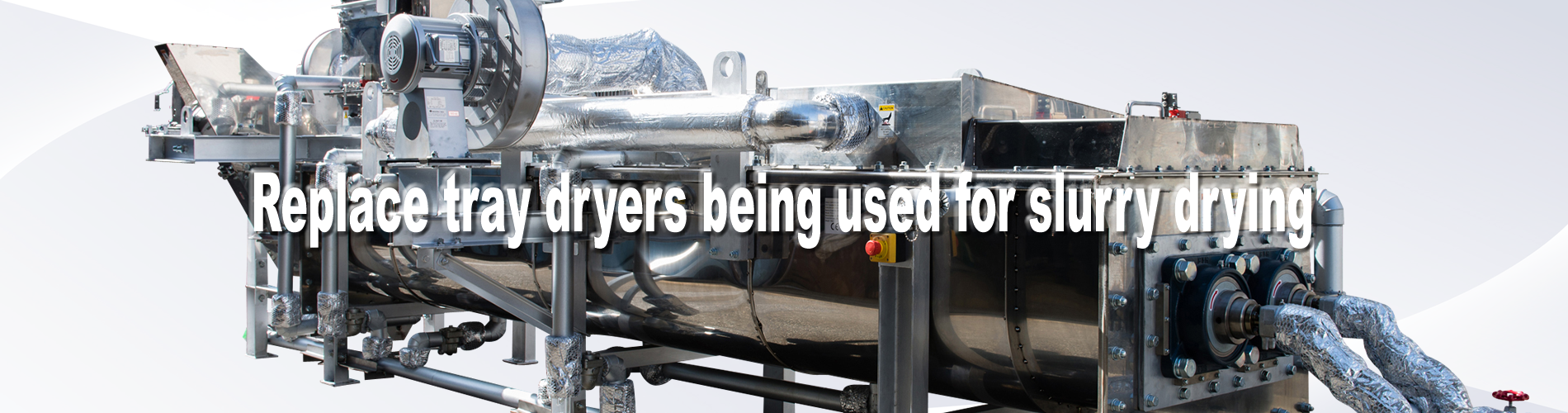
Using saturated steam as its only heat source, KENKI DRYER achieves high drying efficiency at low temperatures, preserving the components of the materials while ensuring uniform, stable, and safe drying. Its unique structure, certified under international patents, prevents clogging and enables continuous 24-hour unattended operation — making it ideal for industrial sludge drying, slurry drying, beverage lees drying, and organic waste upcycling.
Unlike conventional dryers, KENKI DRYER consumes only a small amount of steam.
By using surplus factory steam or an electric boiler, no CO₂ or greenhouse gases are emitted during operation, contributing to carbon-neutral and sustainable manufacturing.
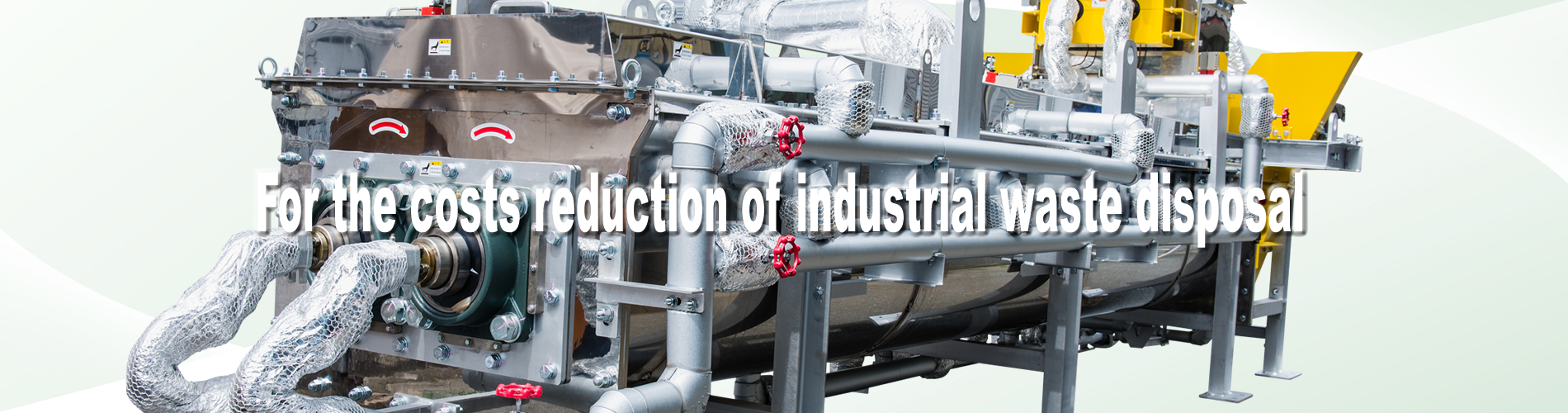
Its simple structure minimizes replacement parts, ensures long-term reliability, and keeps both initial and running costs low.
KENKI DRYER is an indirect steam dryer unlike any other.
Its patented combination of conductive heat transfer and heated-air circulation achieves superior thermal efficiency and consistent product quality.
Many companies have adopted KENKI DRYER for its:
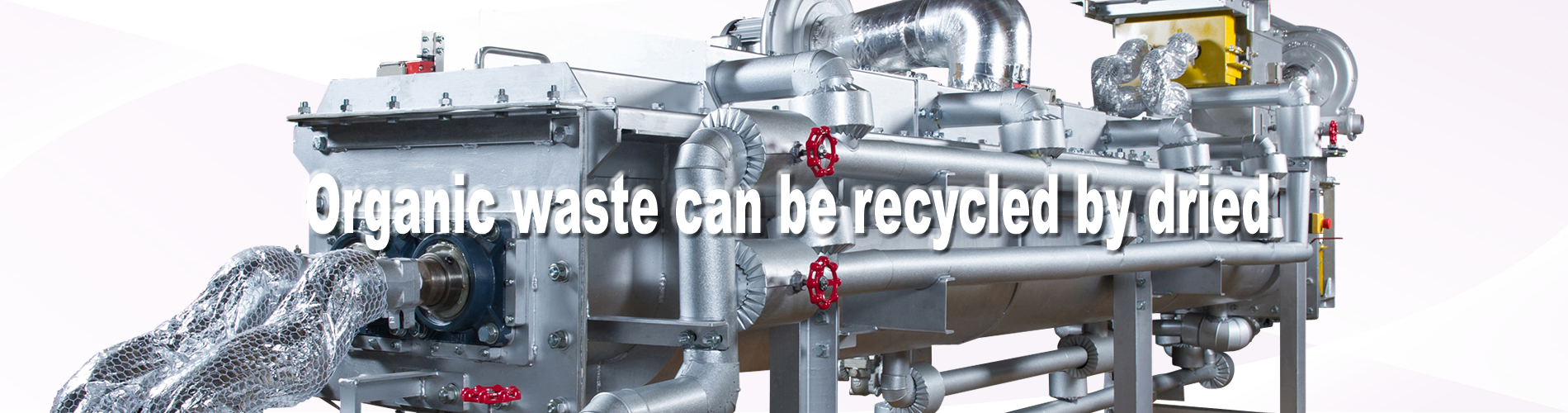
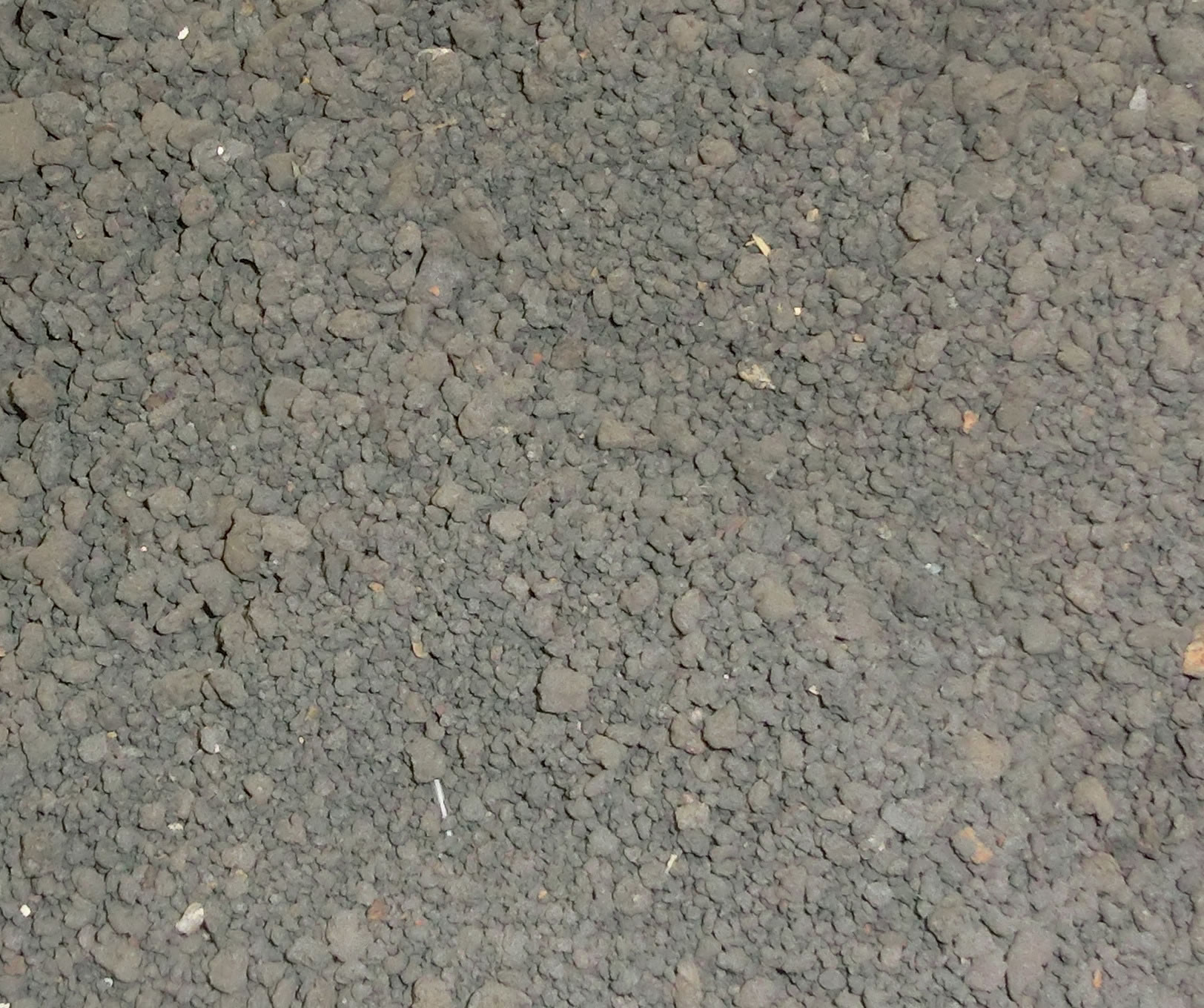
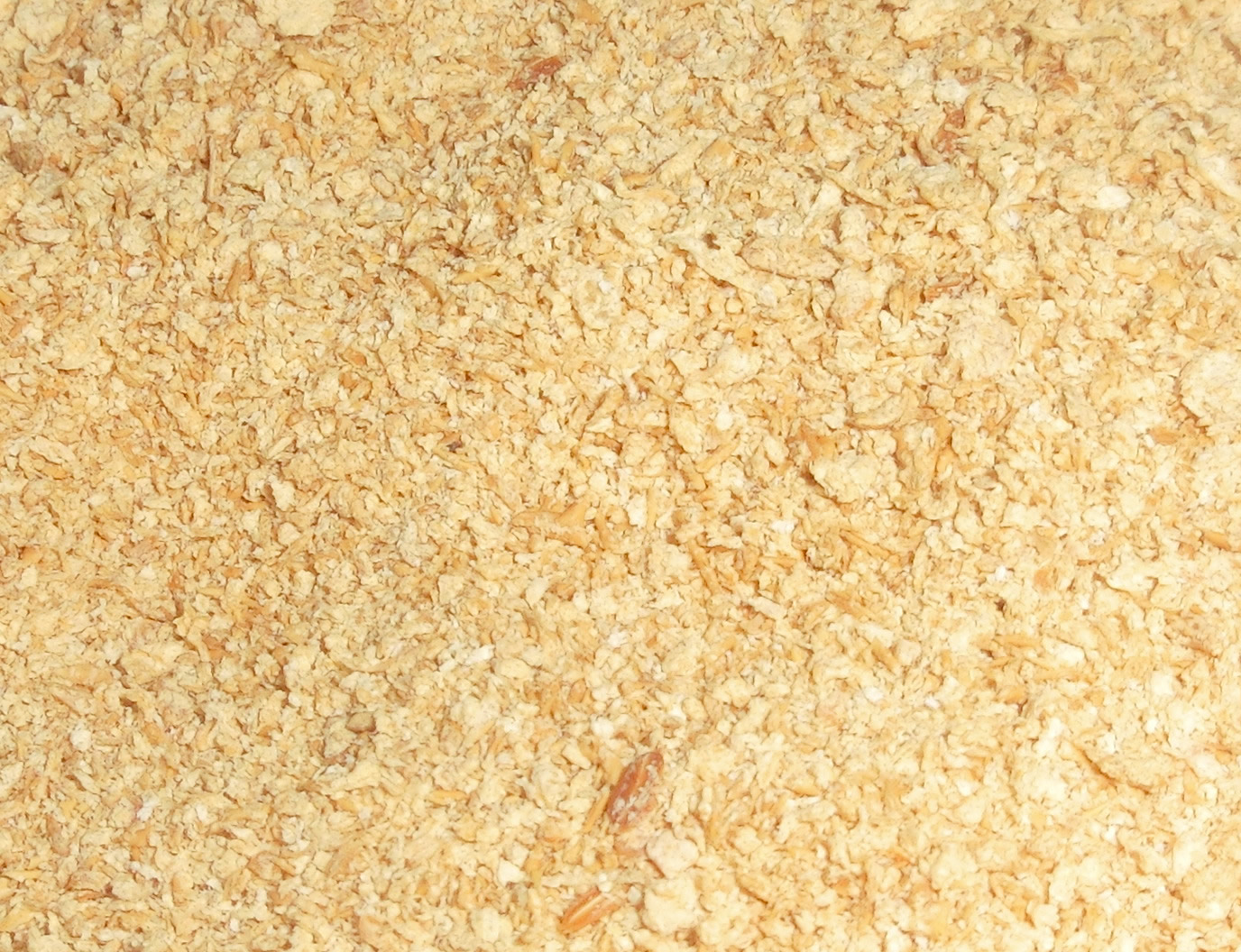
KENKI DRYER enables low-temperature drying and upcycling of high-moisture organic materials such as coffee grounds, used tea leaves, beverage lees, and organic residues.
These materials can be reused as fuels, fertilizers, or soil conditioners, creating both economic value and environmental benefit.
With offices and partners in Europe, Southeast Asia, and Taiwan, KENKI Corporation continues to expand globally, delivering innovative and sustainable drying solutions to industries around the world.
If you are looking for a dryer that can handle sticky and adhesive materials that others cannot,
discover KENKI DRYER — the only dryer in the world with proven, internationally patented technology.
→ Contact us today for details or comparison with other dryers.


■ Organic sludge drying, Low temperature drying of difficult to dry, high moisture organic sludge / KENKI DRYER / Sludge dryer Summary KENKI DRYER: A Revolutionary Solution for Drying Challenging Materials KENKI DRYER is a unique, patented steam-indirect dryer designed to efficiently and effectively dry a wide range of materials, including those with strong […]

■ Black tea lees drying, Low temperature drying of high moisture black tea lees for upcycling / KENKI DRYER / Black tea lees dryer Summary Environmental Impact & Tea Recycling Upcycling and recycling of beverage lees (tea waste) is becoming more important for environmental protection. Wet tea lees can spoil due to microbial activity, […]

■ Slurry Raw materials drying, Low temperature drying of difficult to dry liquid slurry raw materials / KENKI DRYER / Slurry dryer Summary Unique Mechanism and Patents KENKI DRYER has been granted 11 patents in 8 countries and uses a unique, internationally patented mechanism to dry highly adhesive and sticky materials without clogging, even […]

■ Organic sludge drying, Low temperature drying for upcycling of difficult-to-dry, high moisture organic sludge / KENKI DRYER / Sludge dryer Summary Preservation of Sludge Components Drying sludge at low temperatures using the KENKI DRYER preserves the composition of the sludge, allowing it to be used as compost, soil conditioner, fuel, or other upcycled […]

■ Organic sludge drying, Low temperature drying of lumpy, difficult-to-dry organic sludges / KENKI DRYER / Sludge dryer Summary KENKI DRYER is a revolutionary drying system designed to efficiently handle and dry lumpy, sticky, and highly adhesive organic sludges, which are often challenging to dry with conventional dryers. Here are the key points and […]


.png)
.png)
You must be logged in to post a comment.