
Dry What Others Can’t.
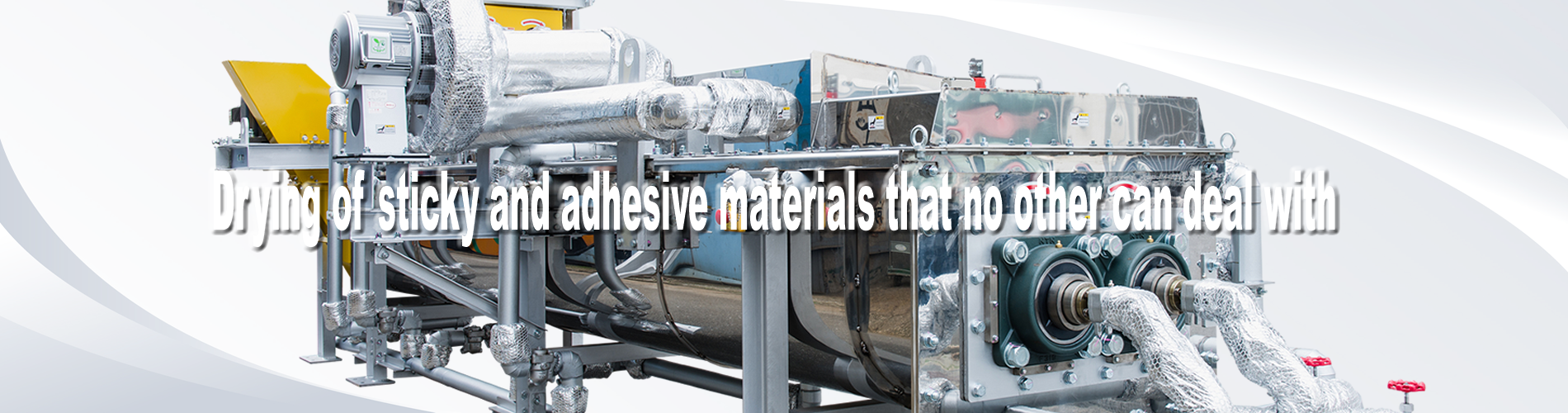
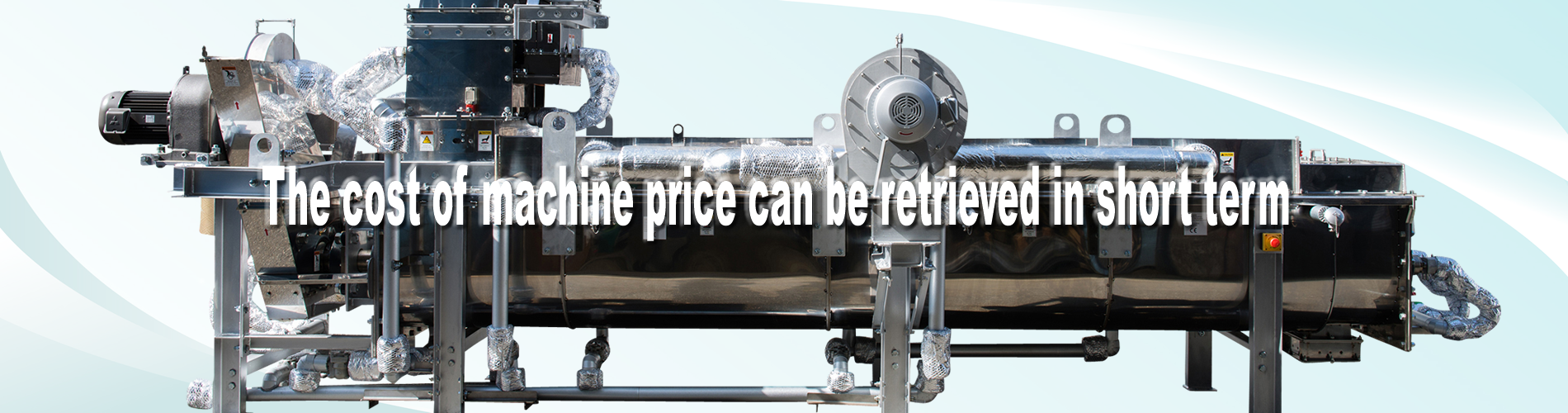
KENKI DRYER, designed and manufactured with internationally patented technologies (11 patents in 8 countries), can easily, safely, and surely dry materials that no other dryer can handle — including sticky, adhesive, viscous, and high-moisture materials, even in liquid form.
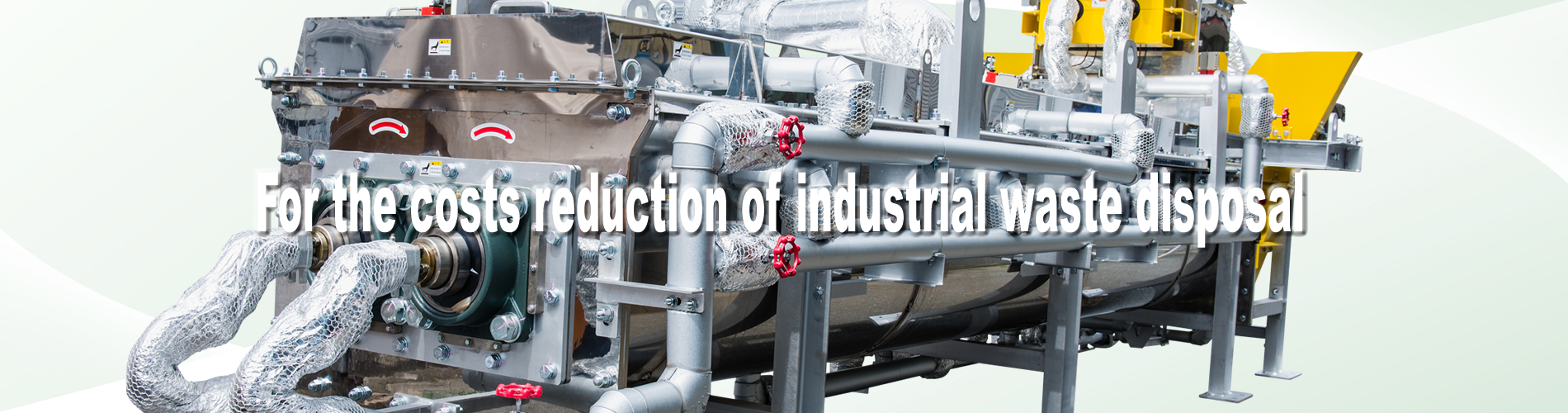
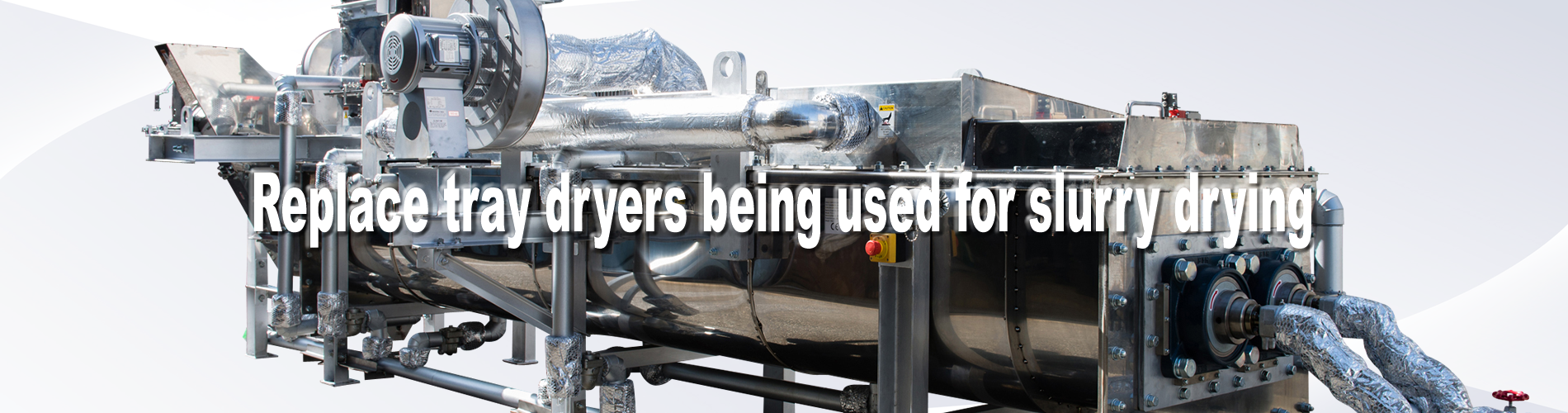
Using saturated steam as its only heat source, KENKI DRYER achieves high drying efficiency at low temperatures, preserving the components of the materials while ensuring uniform, stable, and safe drying. Its unique structure, certified under international patents, prevents clogging and enables continuous 24-hour unattended operation — making it ideal for industrial sludge drying, slurry drying, beverage lees drying, and organic waste upcycling.
Unlike conventional dryers, KENKI DRYER consumes only a small amount of steam.
By using surplus factory steam or an electric boiler, no CO₂ or greenhouse gases are emitted during operation, contributing to carbon-neutral and sustainable manufacturing.
Its simple structure minimizes replacement parts, ensures long-term reliability, and keeps both initial and running costs low.
KENKI DRYER is an indirect steam dryer unlike any other.
Its patented combination of conductive heat transfer and heated-air circulation achieves superior thermal efficiency and consistent product quality.
Many companies have adopted KENKI DRYER for its:
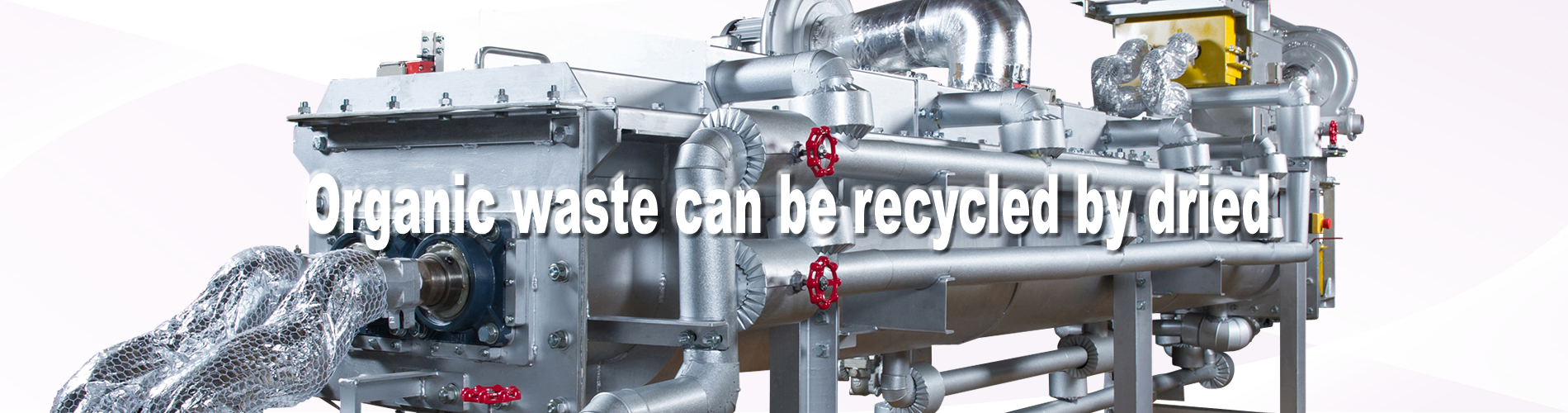
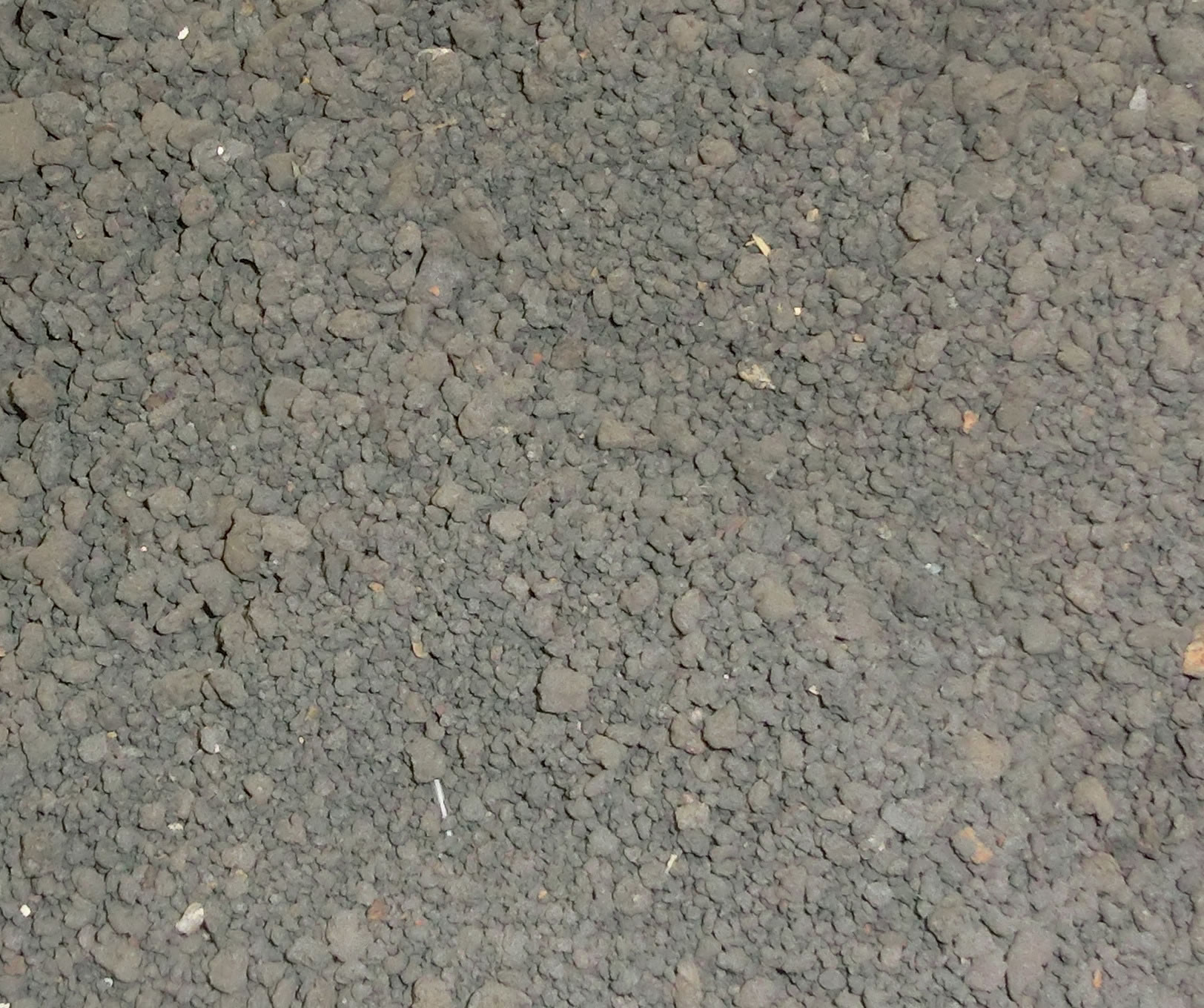
KENKI DRYER enables low-temperature drying and upcycling of high-moisture organic materials such as coffee grounds, used tea leaves, beverage lees, and organic residues.
These materials can be reused as fuels, fertilizers, or soil conditioners, creating both economic value and environmental benefit.
With offices and partners in Europe, Southeast Asia, and Taiwan, KENKI Corporation continues to expand globally, delivering innovative and sustainable drying solutions to industries around the world.
If you are looking for a dryer that can handle sticky and adhesive materials that others cannot,
discover KENKI DRYER — the only dryer in the world with proven, internationally patented technology.
→ Contact us today for details or comparison with other dryers.


Seafood processing plant sludge Very sticky and adhesive / Example of drying test Material to be dry: Seafood processing plant sludge Purpose of drying: Fertilizer from waste products Moisture content: 80%W.B. before drying, 5%W.B. after drying Requirements for dryer: No clogging inside of the dryer since materials being dried are very sticky and adhesive. 24-hour […]

About conductive heat transfer Conductive heat transfer is to heat materials through an object, such as a board, and the materials are heated and dried by the conductive heat transferred via the heated board.Convective heat transfer drying heats materials directly, however, conductive heat transfer drying heats materials via an object such as metal board. So […]

KENKI DRYER Comparison between new product and previous product / Drying of very sticky or adhesive materials Material to be dried : Residue of citrus fruits Any dryers made by other manufacturer cannot dry because of its strong adherence. Also, desired moisture contents cannot be reached. Moisture contents before drying:84.5 %W.B. Test results Model Steam […]

Drying of clay-like sludge / Example of drying test Material to be dry: Chemical plant clay-like sludge Purpose of drying: Materials from waste products Moisture content: 70%W.B. before drying, 5%W.B. after drying Requirements for dryer: No clogging inside of the dryer since materials being dried are adhesive. 24-hour unattended operation. No change in components of […]

KENKI DRYER is a continuous drying machine with low-temperature.Then why low-temperature is used for its drying? There are several reasons. 1) Clogging can be prevented even with low-temperature drying. Dryer can avoid being blocked up. Because our dryer of KENKI DRYER is using unique and patented mechanism, material will not be clogged inside of the […]


.png)
.png)
You must be logged in to post a comment.